Many space science missions are one-off designs, which, when measured from initial idea to end of life, have lifespans sometimes of decades and involve hundreds of people and many companies. They rely on special software to support activities such as project management, system engineering, mission planning and operations, and for accessing and analysing the data the missions produce.
All of this requires exceptional expertise on the part of the scientists and engineers who nevertheless may never appear in the coverage of a successful launch or during a mission. To rectify that, we’re celebrating the unsung heroes of space missions in this blog series: looking this time at the support for the onboard scientific instruments.
Supporting scientific payloads
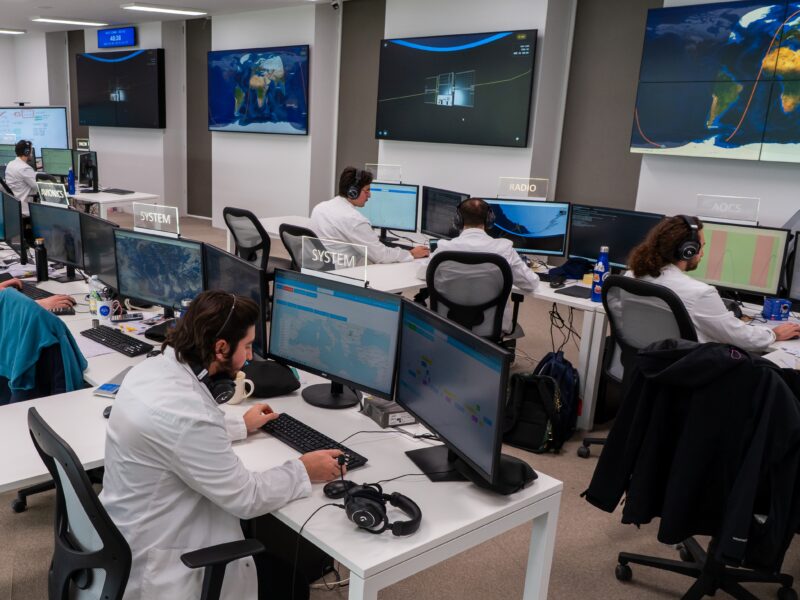
Preparing and delivering commands to the science instruments (the payload) on board spacecraft is a fundamental part of ground segment mission planning. At the European Space Agency’s (ESA’s) European Space Operations Centre (ESOC), these payload operations requests are part of a broader concept known as command request files (CRFs), which encapsulate various operational requests including telecommands, sequences, automation procedures and mission-critical events.
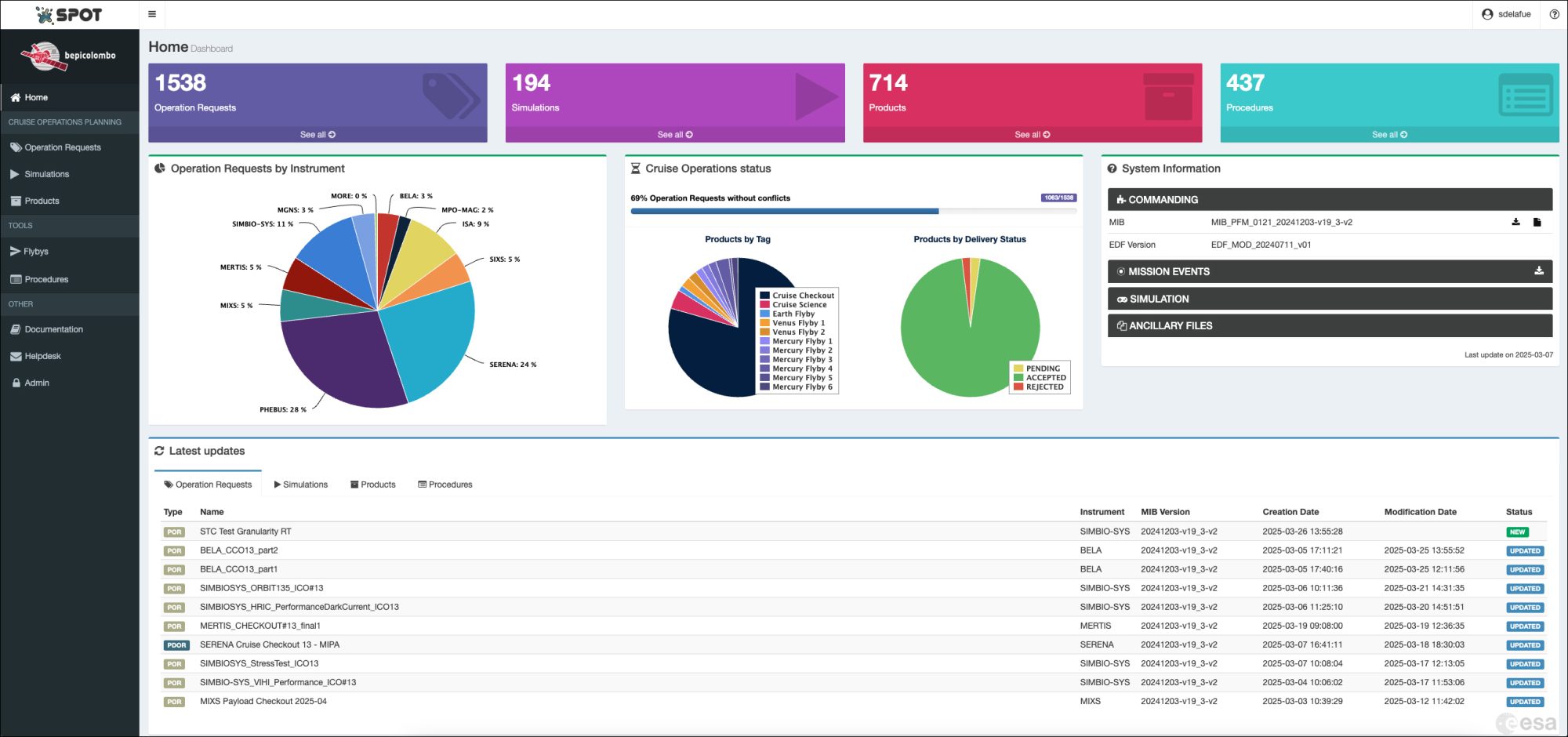
Starion’s team of space science experts based at ESA’s European Space Astronomy Centre (ESAC) in Spain developed a web-based framework to support payload operations teams for the generation and delivery of payload operations requests, which are a specific subtype of CRF: in this case for science activities during the mission’s cruise phase. The CRF tool’s design ensures seamless alignment with the mission’s information database, which is integrated into the ESOC ground-based data systems.
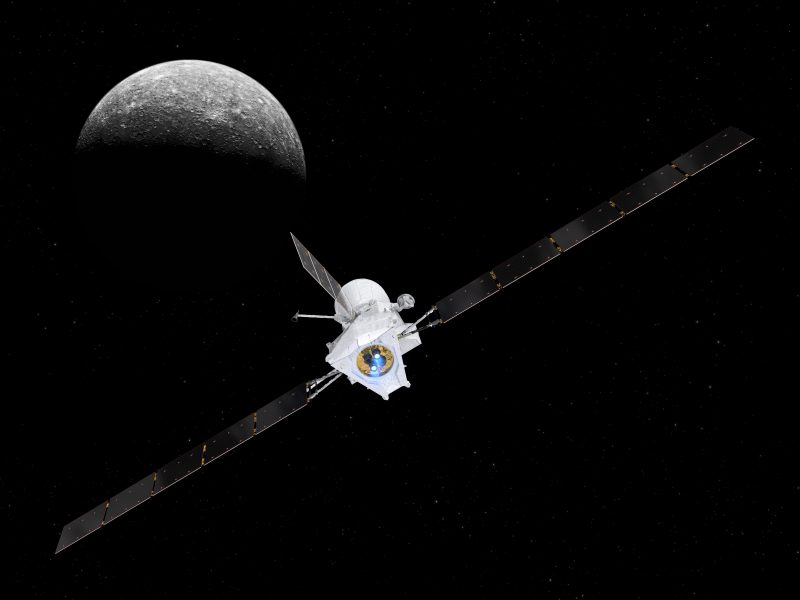
The Science Planning Operational Tool (SPOT) Cruise was initially created for the BepiColombo mission, which is on its way to a final orbit around Mercury. It has subsequently been adapted for use with the Juice mission (under the name SPOT Juice), which is travelling in the opposite direction to study Jupiter and some of its icy moons.
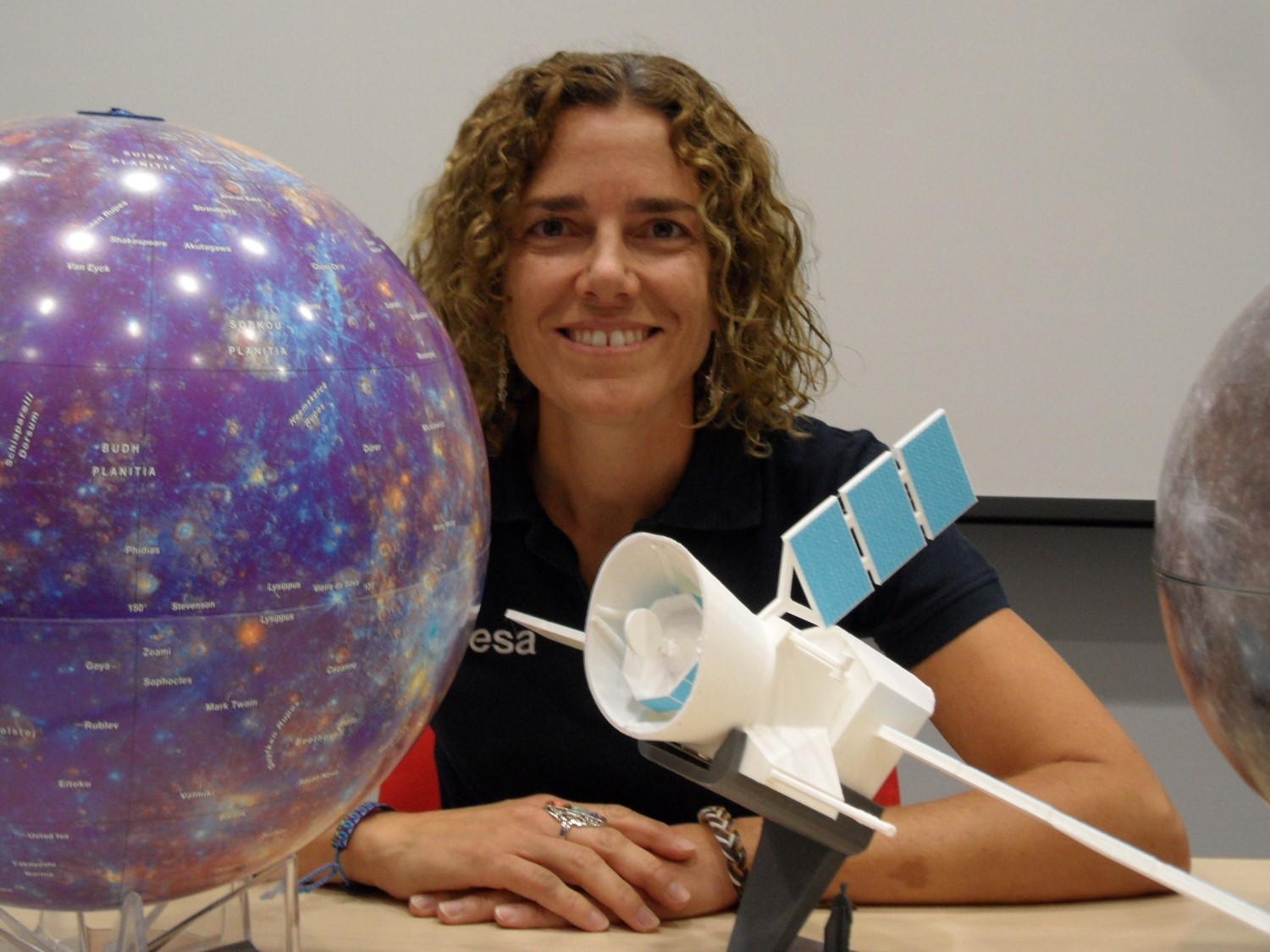
“Since 2018 with BepiColombo and 2023 with Juice, the SPOT tool has proven to be a robust and reliable asset during critical mission phases like flybys. By streamlining interfaces and operations between ESOC and the principal investigator teams, it has allowed scientists to stay focused on science, rather than file formats and interface complexities.” Sara De La Fuente, Starion Work Area and Project Manager
Instrument health checks and operations
The science instruments on board missions such as BepiColombo and Juice are sometimes used for observations during the long cruise phase, for example during planetary flybys that adjust the spacecraft’s trajectories to help them arrive at their final target, and SPOT is used to ensure the instruments are used to best effect during such flybys.
For the rest of the time, the instruments remain inactive, except for checkouts and dedicated cruise science activities. For space missions that have a long cruise phase, like Juice, which is due to take 8 years to reach Jupiter, it’s important that the payload teams can be confident the instruments will work when a spacecraft reaches its final destination. For that reason, periodically the instruments are checked using SPOT to make sure everything is working well. These payload checks typically take 3 to 4 days and are carried out approximately every 6 months.
Efficiency and reliability
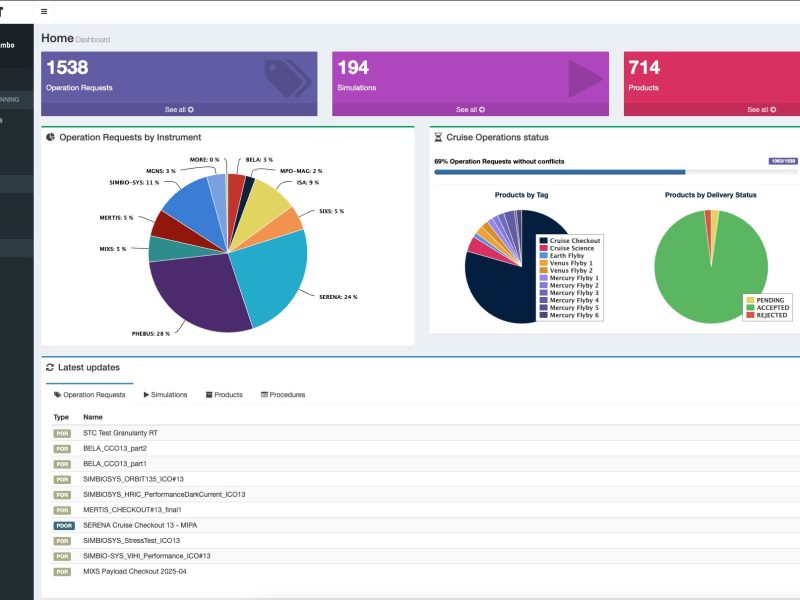
SPOT was designed to streamline and centralise the workflow for scientific instrument teams. Users can efficiently manage operations requests by creating, cloning, editing, deleting and delivering them, all within a centralised, version-controlled environment. This approach not only enhances operational efficiency, but also ensures robust data privacy and confidentiality through strict user authorisation and authentication protocols.
A standout feature of the tool is its simulation capability, enabling teams to verify resource utilisation such as power and data volume. Additionally, it offers 3D visualisation features, providing critical insights into events during the missions.
Sara De La Fuente summarises the advantages of using SPOT for payload operations: “SPOT significantly enhances efficiency and reliability by eliminating manual data handling, ensuring seamless integration with ESOC systems, and centralising data for secure, real-time access. With robust web-based monitoring and full compatibility with TM/TC Operational Database management, it streamlines operations and reduces both time and cost.”
Find out more
This is an extract from the latest issue of OpenSpace magazine. Subscribe to read other in-depth articles on space weather and civil security from space, plus an interview with the Director of the Spanish Space Agency.
Main image: Artist’s impression of the BepiColombo spacecraft at Mercury. Image credit – spacecraft: ESA/ATG medialab; Mercury: NASA/JPL